Business waste removal in Abbey Wood for offices, shops and local organisations
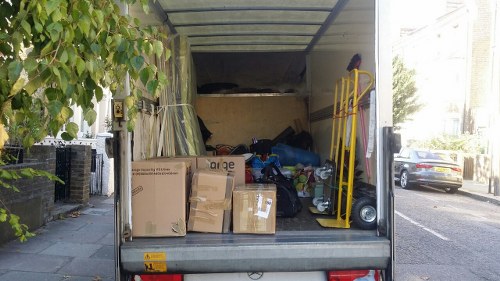
We provide business waste removal in Abbey Wood for organisations that need a practical, orderly way to clear commercial rubbish from day-to-day operations, refurbishments and periodic tidy-outs. The service is built around mixed commercial waste, office clearances and recyclable materials, with a focus on keeping collections straightforward for busy premises. If you need help with furniture, general waste or equipment that is no longer in use, we can help you make space without disrupting work.
Our work can support offices, retail units, workshops, hospitality premises, managed buildings and other commercial settings where waste builds up in store rooms, back areas or during changes of layout. The aim is simple: remove unwanted items carefully, separate suitable material where possible, and leave the site ready for normal use again. For a broader overview of the service range, see our business waste removal page, which sets out the main type of work in more detail.
When you are planning a clearance, it helps to think about what should go, what may be reused, and whether any items need special handling. Clear access makes collections easier, but the important part is identifying the waste correctly so the right approach can be used. If you are arranging a one-off office clear-out or an ongoing tidy of accumulated commercial waste, this page explains the main options and how to request a quotation.
Commercial waste collections tailored to the job
Business premises generate different types of waste at different times, and the right collection plan depends on the materials involved. Some jobs are mainly bagged rubbish and packaging; others include broken shelving, redundant desks, old stock or unwanted fittings. We can handle practical clearances where items need to be removed from offices, storage areas or customer-facing spaces, and we work with the kind of mixed loads that usually arise when premises are being refreshed or reorganised.
For businesses that need a more regular clear-out of leftover materials, our waste removal service covers general non-hazardous waste collections that do not fit neatly into a single specialist category. This can suit workplaces that want a reliable route for accumulated rubbish, packaging and routine discard items. If your disposal needs are more specific, it may be better to separate furniture, appliances or confidential material so each stream is dealt with in the most appropriate way.
What is usually included
Commercial clearances often involve a mix of items rather than one tidy pile. Typical work can include office furniture, filing units, display pieces, cardboard, broken fixtures and loose waste from stockrooms or storage areas. We also deal with clearances that must be done carefully around trading hours or in shared buildings, where access and loading need a bit more thought. The objective is to remove the agreed items efficiently while keeping disruption low and the site manageable.
Office waste, desks and redundant furniture

Office clearances usually need a sensible balance between speed and care. Desks, chairs, pedestals, filing cabinets and other workplace furniture can be removed as part of a planned office change, a downsizing project or the end of a tenancy. We can also support jobs where a workspace is being reconfigured and only selected items need to be taken away, rather than the whole room being emptied at once.
For work that centres on desks, seating and other office furnishings, our office clearance page is a useful starting point. Where the items are mainly household-style pieces rather than workstations, the relevant option may be a broader furniture service such as furniture clearance. Choosing the right route helps keep the job clear and avoids unnecessary handling of items that belong in different waste streams.
Before a clearance, it is helpful to list the main items, note anything particularly heavy or awkward, and decide whether anything should be kept back from removal. If you are dealing with drawers, cupboards or filing systems, make sure confidential material has already been separated. That saves time on the day and helps the collection proceed in a tidy, ordered way. Prepared access is useful, but a clear item list is more important than perfection.
Furniture, fixtures and bulky items from commercial premises
Many businesses need help when furniture becomes surplus to requirements. That may be because of a fit-out, a change in use, damage, replacement stock or an office redesign. We can remove bulky items that are difficult to move through a working building, including tables, cabinets, shelving, reception furniture and mixed fittings. The service is intended to give companies a practical way to clear space without needing to manage the lifting and transport themselves.
Where the main issue is old or unwanted pieces that are taking up room, the furniture disposal page explains the disposal route for items that are no longer needed. If the items are more varied and include household-style contents from a property associated with the business, flat clearance or home clearance may be more relevant to the setting. The best choice depends on what is being removed and where it is located.
Bulky furniture often needs a little planning around lifts, corridors, entrances and loading points. That is especially true in shared buildings, upper floors or premises with narrow access. Tell us what needs removing, whether the items are dismantled or intact, and whether there are any stairs, keycard doors or restrictions on parking nearby. A concise note at the outset makes it easier to shape the job correctly and provide a quotation that reflects the actual clearance.
Shredding and sensitive material in office clear-outs
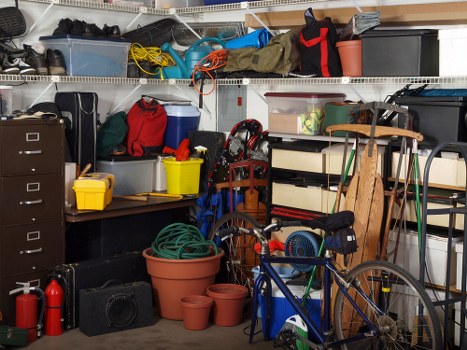
Some commercial clearances involve more than ordinary rubbish. Files, archived paperwork, printed records and branded material can need a separate approach, especially when a business wants sensitive documents handled carefully. We can support clearances where confidential waste forms part of the load, provided the material is suitable for the service requested and packaged in a way that allows it to be collected safely.
For businesses that have a specific shredding requirement alongside a clearance, the confidential shredding page is the most relevant place to start. It is often sensible to identify what should be shredded before the collection, rather than mixing it with general waste or furniture. If a job contains both paper records and bulky items, separating the categories in advance helps keep the work orderly and reduces the chance of misunderstandings about what is to be removed.
When preparing paperwork for disposal, do not overlook folders, lever arch files, labels and printed storage boxes. A short checklist can help: what stays, what goes, what needs shredding, and what should be lifted whole. If you are dealing with archive rooms or filing cupboards, it is worth checking whether anything has to be retained for compliance or internal records before the clearance starts. That sort of pre-check keeps the collection focused and avoids unnecessary removal.
Appliances and specialist items from business premises
Commercial sites sometimes need the removal of appliances or other awkward items that cannot simply be left out with ordinary refuse. This may include fridges, freezers, drinks coolers or other equipment no longer needed after a refit, closure or change of layout. Because these items can be heavy and awkward to move, it helps to plan the collection around access, stairs, internal doors and any handling restrictions at the premises.
If your job includes refrigeration units or kitchen equipment, the fridge and appliance removal page is the best fit. Some businesses also have items that require extra care because they are classed as hazardous or need a particular disposal route, and in those cases the hazardous waste disposal page may be more relevant. The important point is to identify the items accurately so they are handled through the right process.
Not every appliance clearance is the same. A single under-counter fridge, a row of office coolers and a mixed load from a hospitality store room can all need different loading patterns. If the appliance is still installed, let us know whether it has been disconnected and whether any dismantling is required before removal. The more clearly the items are described, the easier it is to plan a suitable collection and avoid delays on the day.
Recycling, sorting and responsible disposal choices
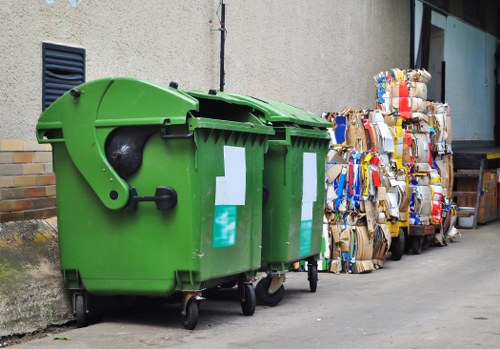
Commercial waste is rarely just one material. A useful clearance often involves separating reusable or recyclable items from general rubbish so the load can be managed in a sensible way. Cardboard, metal fixtures, some furniture components and other non-confidential materials may be suitable for different treatment routes. We aim to keep the process practical and to deal with the waste stream in a way that matches the items actually being removed.
If you want to read more about the approach behind this, the recycling and sustainability page explains the general principles we use when sorting and directing waste. That can be helpful for businesses that want a straightforward clearance but also need to understand how the material is handled. For some premises, a simple general collection is enough; for others, separating the waste in advance makes the job cleaner and more efficient.
Useful preparation does not need to be complicated. A few labelled areas, an item list and a note of anything that must not be taken can save a lot of back-and-forth. If certain materials should remain on site, keep them physically separate. If you already know what needs to be removed, write it down in plain language rather than trying to classify every item perfectly. We can work from a clear description and refine the collection details from there.
How to arrange a quotation for your premises
To request a quotation, the most helpful information is a simple description of the waste, the approximate amount, and where it is located within the building. If you can note whether there are stairs, lift access, loading restrictions or secure entry points, that also helps. For mixed loads, it is useful to know whether the waste is mostly furniture, office rubbish, equipment or a combination of several categories. That way the quotation can reflect the real job.
You do not need to over-explain the clear-out. A short note, a rough list and any relevant access details are usually enough to begin. Where the waste is bulky or spread across several rooms, it can help to group similar items together before asking for a price. Good information leads to a clearer estimate, especially when the job includes more than one kind of material or needs a particular handling order.
For the next step, you can view pricing and quotes if you want to understand the process before you enquire, or you can simply ask for a quotation and describe the work in your own words. Tell us what needs removing, and we can work out the most suitable approach for the collection.
About Abbey Wood
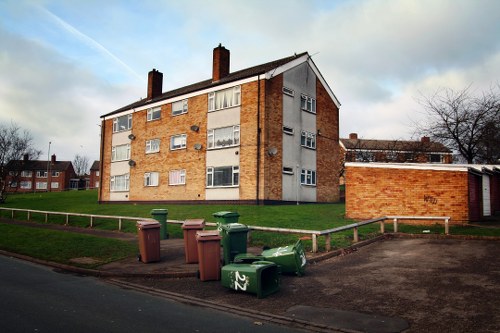
Abbey Wood is a district in south-east London, positioned on the border area between the Royal Borough of Greenwich and the London Borough of Bexley. Its name is tied to Lesnes Abbey Woods, a broad area of ancient woodland associated with the remains of Lesnes Abbey, founded in the 12th century. The abbey itself was dissolved in the 16th century, but the woodland and nearby open spaces continue to shape the character of the area, giving it a strong historic layer beneath later suburban growth. Over time, Abbey Wood developed from a more rural landscape into a residential district linked by transport, local shopping streets and public open space.
Clearance support for changing workplaces
Businesses often need waste removed at times of transition: after refits, before a lease ends, when stock is being rationalised, or when a workspace has become cluttered with items that are no longer useful. Our service is intended to support that kind of practical change. It can cover one-off jobs as well as repeated clear-outs where accumulated material needs to be taken away before it begins to interrupt everyday work.
If you are planning a bigger premises change, the builders waste clearance page is useful for jobs that involve refurbishment debris, packaging and leftover site material rather than ordinary office waste. For some commercial settings, the broader house clearance or home clearance pages may help if the property type is mixed-use or contains domestic-style contents. Matching the page to the waste type keeps the enquiry focused and avoids confusion about what should be removed.
In many cases, the work is simply about making the site workable again. That might mean removing old furniture from a back office, clearing packaging from a stock area or taking away redundant items before a new layout is introduced. The specifics matter, but the aim stays the same: remove the agreed waste carefully, leave the remaining items in place and make the next stage of use easier to manage.
What a commercial clearance can include
Commercial clearances can cover a wide range of items, but each job still needs a clear boundary. We can collect loose waste, office furniture, shelving, display pieces, cartons, mixed recyclable material and other non-hazardous items that need to leave the site. Some customers want a single room emptied; others need selected items taken from several parts of the building. Either way, the collection is planned around the agreed load rather than a generic assumption about the premises.
Where outdoor storage, garages or side areas are involved, the relevant pages may also be garage clearance or garden clearance, depending on the type of material and the setting. For large or awkward items such as seating and larger domestic-style furniture, the most suitable option may be mattress and sofa disposal. Those pages are useful when the waste stream is more specific than a general business clearance.
It is usually best to think in categories rather than in loose piles. Keep furniture separate from paperwork, note any special items, and identify anything that must stay on site. If a room contains mixed contents, a short room-by-room list can be more useful than a general description. That approach helps us understand the work properly and keeps the collection aligned with the actual contents of the premises.