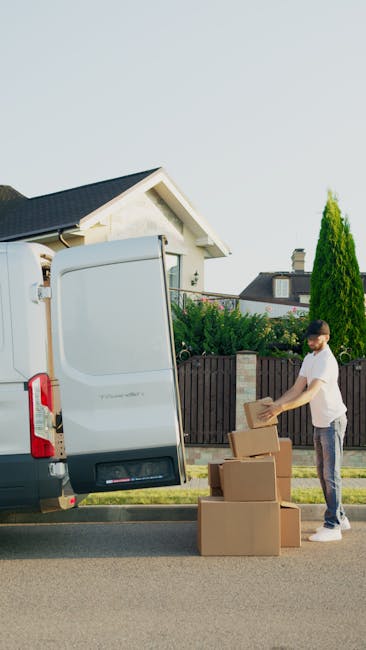
Thamesmead Van Rubbish Removal Service Abbey Wood Homes: A Practical Guide for Fast, Tidy Clearance
If you live in Abbey Wood and need unwanted items gone without the faff of hiring a skip, a Thamesmead van rubbish removal service can be a very sensible option. It suits busy households, flat owners, landlords, and anyone staring at a pile of mixed waste that needs clearing properly, not just shifted out of sight. From old furniture and bagged rubbish to loft clutter and garden debris, the right service makes the job feel lighter almost immediately.
This guide breaks down how a van rubbish removal service works, when it makes sense for Abbey Wood homes, what to ask before booking, and how to avoid the little mistakes that turn a simple clear-out into a headache. We will keep it practical. No fluff. Just the stuff that helps you make a good decision.
Expert summary: For most home clearances, a van-based rubbish removal service is best when access is awkward, waste is mixed, or you want quick collection without the stress of managing a skip permit, loading, and overflow.
Why Thamesmead van rubbish removal service Abbey Wood homes Matters
Abbey Wood homes come with a mix of property types, from compact flats and terraces to family houses with lofts, sheds, side return spaces, and the usual "we'll deal with that later" corners. You know the sort. One chair becomes three. One broken appliance sits in the hall for weeks. Then suddenly the place feels crowded, even if the rest of the home is spotless.
That is where a van rubbish removal service earns its keep. It is not just about removing waste. It is about restoring usable space quickly, with less disruption to your day. For many residents, the main value is convenience. For others, it is the speed. And for plenty of people, it is simply peace of mind.
There is also the practical side. Mixed rubbish can be awkward to sort, lift, and transport yourself. A van-based clearance team can usually handle awkward shapes, heavier items, and the kind of household waste that does not fit neatly into a bin bag routine. If your home is between clear-outs, or you have a one-off burst of clutter after renovation, redecorating, or moving, this kind of service can save a lot of time.
It also helps reduce risk. Carrying a damp mattress down narrow stairs or dragging broken boards through a hallway is not exactly glamorous work. To be fair, most people underestimate how much effort that takes until they are halfway through it and already regretting the plan.
For Abbey Wood households, especially those in busier streets or homes with limited on-site storage, van rubbish removal can feel like the cleaner, simpler answer. And if you are also dealing with household furniture or bulky items, related services like furniture clearance, house clearance, or home clearance may be worth considering alongside general rubbish removal.
How Thamesmead van rubbish removal service Abbey Wood homes Works
In simple terms, the process is straightforward: you book a collection, describe what needs removing, the team arrives with a suitable van, loads the waste, and takes it away for sorting and disposal. The details matter, though, because a good experience depends on the information you provide up front.
Typical process
- Initial enquiry: You explain what needs removing, roughly how much there is, and whether anything is heavy, awkward, fragile, or restricted.
- Estimate or quote: The service may give a price based on volume, waste type, access, and labour involved.
- Arrival and assessment: The team checks the load in person before starting. This is normal, and it avoids misunderstandings.
- Removal: Items are loaded safely into the van. Good teams work methodically so hallways, stairs, and door frames are protected where needed.
- Sorting and disposal: Waste is separated for reuse, recycling, or disposal in line with UK standards and business practice.
The best services are transparent about what they can take, what needs special handling, and what may affect the price. That clarity matters more than a flashy promise. A cheap quote that changes on arrival is not a bargain. It is a warning sign in a blazer.
If you are comparing services, it can help to look at the broader range of clearance options on the same site, such as waste removal, garage clearance, and loft clearance. They are useful when your rubbish is coming from one specific part of the property rather than the whole home.
What usually gets removed
- Bagged household rubbish
- Bulky furniture
- Broken tables, chairs, shelves, and storage units
- Garden cuttings and outdoor waste
- Old appliances, where accepted
- Mixed clear-out waste from rooms, cupboards, lofts, or sheds
Some items need extra caution. Fridges, freezers, and other appliances may require specialist handling, which is why pages like fridge and appliance removal are useful to review before booking. Likewise, sofas, mattresses, and certain wastes often need specific disposal routes, so checking mattress and sofa disposal can save confusion later.
Key Benefits and Practical Advantages
People usually think the main benefit is "getting rid of junk." Fair enough. But there is more to it than that.
1. Faster than doing it yourself
When you hire a van rubbish removal service, you are buying time as much as removal. No rental paperwork. No loading a borrowed car to the roofline. No making five trips when you thought it would only be one. The day gets simpler, and that counts.
2. Less pressure on access and parking
In parts of Abbey Wood and nearby Thamesmead routes, parking or loading can be awkward. A van collection often suits homes with tight driveways, narrow access, or shared residential spaces. The team can arrive, assess the load, and get on with the work. Very little fuss.
3. Better for mixed loads
A lot of homes do not have a single waste type. You may have cardboard, old furniture, broken shelving, bagged rubbish, and a few odd items that never quite fit into one category. A van-based clearance service is usually better than trying to force everything into a skip-style plan, especially if the waste is not tidy or uniform.
4. Often more convenient for one-off clear-outs
For spring cleaning, end-of-tenancy jobs, post-renovation tidying, or inherited house contents, a van service can be the most direct route. If you are clearing several rooms, a full flat clearance or house clearance might be a better fit, but a van collection can still work when the amount is smaller or more selective.
5. A tidier, safer process
Good rubbish removal is not just about hauling. It is about doing it carefully. That means lifting properly, avoiding damage to walls and flooring, and taking waste to the right place. A decent team should also respect your home. No dragging muddy bags across the carpet at 9am with no warning. You would be amazed how much that matters until it goes wrong.
| Option | Best for | Strengths | Limitations |
|---|---|---|---|
| Van rubbish removal | Mixed household waste, bulky items, awkward access | Fast, flexible, labour included | Price can vary with volume and item type |
| Skip hire | DIY projects, predictable waste, longer jobs | Good for ongoing loading | Needs space and may require a permit |
| Self-haul to disposal site | Small loads and those with transport | Potentially cheaper on paper | Time-consuming, physically demanding, multiple trips |
Who This Is For and When It Makes Sense
This kind of service is a strong fit for homeowners, tenants, landlords, letting agents, and families handling clutter that has got beyond a quick tidy. It is especially useful if you need the work done around your schedule, not the other way around.
Common situations where it makes sense
- You are clearing a spare room before guests arrive.
- A tenant has left bulky items behind.
- You are freshening up a property before sale or rent.
- Your garage has become a storage museum of broken things.
- You have old furniture to remove after a delivery.
- Garden waste has piled up after a weekend of trimming and sorting.
Sometimes people assume a van service is only for "big" jobs. Not true. A small collection can be ideal if you want the job done quickly and cleanly. In fact, for smaller home jobs, a targeted collection can be less stressful than organising a larger clearance package.
If the job crosses into commercial waste or business contents, then a dedicated service is more appropriate. For that, the site's business waste removal page is the right place to compare options.
Step-by-Step Guidance
If you want the smoothest possible experience, a bit of preparation goes a long way. Nothing dramatic. Just a few sensible steps.
Step 1: Walk through the property
Do a quick room-by-room check and note what is going. Separate items by type if that is helpful. This makes it easier to explain the load and reduces surprise on the day.
Step 2: Identify anything special
Flag appliances, sharp items, heavy materials, or anything potentially hazardous. If you are unsure whether something is accepted, ask before booking. It is better to sound slightly over-cautious than discover a problem when the van is already outside.
Step 3: Clear a path
Make sure there is enough room to move items out safely. Open doors, move shoes, and if possible, keep a clear route from the waste to the entrance. That little bit of prep can save a lot of awkward shuffling.
Step 4: Ask about pricing clearly
Good pricing should be explained in plain language. The pricing and quotes page is useful if you want to understand how quotes are presented and what might affect the final cost. Ask whether labour, loading, and disposal are included. Ask what happens if the load is larger than expected. Ask once more if needed. Honestly, no shame in that.
Step 5: Confirm timing and access
Let the service know whether parking is limited, whether there are stairs, or whether access is through a rear gate or communal entrance. These details help the team arrive prepared, which makes everything faster.
Step 6: Keep valuables and documents aside
Before the team arrives, remove anything personal, sentimental, or important. That includes paperwork, photos, keys, and small items that may be hiding in drawers or boxes. A quick scan saves a lot of regret later.
Step 7: Review what happens after collection
Ask how the waste is handled. Responsible operators should be able to explain recycling, reuse, and disposal practices in a straightforward way. You can also review the company's recycling and sustainability approach if that matters to you, and for most people it should.
Expert Tips for Better Results
Small choices make a big difference here. The job usually goes best when the customer treats it like a mini project rather than a last-minute panic. No judgement, though. We have all done the "sort it later" thing.
- Take photos before you book. It helps with clearer pricing and avoids misunderstandings about volume.
- Group similar items. Keep furniture together, bagged waste together, and special items separate if possible.
- Be honest about access. A narrow stairwell or long walk from parking can affect labour time.
- Check disposal categories. Some items, especially hazardous or electrical, may need special handling.
- Book before a deadline. If you are moving out or hosting guests, leave a little time buffer. Tight same-day plans are where stress breeds.
A useful rule of thumb: the more clearly you describe the job, the smoother the collection tends to be. It sounds obvious, but people often underdescribe the mess. A bag of clutter becomes six bags, then a chair, then "oh yes, there's also the old microwave." Happens all the time.
Common Mistakes to Avoid
Most problems with rubbish removal are preventable. They are usually not about the service itself, but about assumptions.
1. Assuming everything can go together
Mixed waste is common, but not every item is acceptable in the same load. Special items may need separate handling, and that can affect cost and timing.
2. Leaving items in hard-to-reach places without warning
If rubbish is in a loft, behind a shed, or down a narrow set of stairs, say so early. Teams can plan for access, but only if they know what they are walking into.
3. Comparing quotes only on price
Cheapest is not always best. Check whether the quote includes labour, disposal, and loading. Ask what happens if the amount differs slightly on the day. A clear quote is worth a lot.
4. Not checking specialist waste rules
Hazardous items, appliances, and certain household materials may need specific treatment. If something sounds awkward, it probably is. Review the relevant guidance such as hazardous waste disposal before you commit.
5. Forgetting your own prep
Even a great service works better when the home is ready. If the path is blocked and you are still deciding which sofa to keep while the van is outside, well... that becomes a longer morning than planned.
Tools, Resources and Recommendations
You do not need much in the way of equipment, but a few simple tools make sorting easier before collection day.
- Strong refuse bags for loose household waste
- Marker pen for labelling keep, donate, and remove piles
- Gloves for handling rough or dusty items
- Box cutter or scissors for breaking down packaging safely
- Phone camera for quick inventory photos
If your clearance is partly about furniture, it can help to compare the relevant service pages in advance. For example, furniture disposal is useful if your main issue is a few large items, while mattress and sofa disposal is better when the bulky item list is very specific.
For larger, room-by-room clear-outs, loft clearance, garage clearance, or garden clearance may be a better match than a generic collection. The right service shape saves time and, often, money too.
Law, Compliance, Standards and Best Practice
Waste disposal in the UK needs care. You do not need to know every detail, but you should understand the basics: waste should be handled safely, taken to appropriate facilities, and managed by people who know what they are doing. That is the minimum standard anyone should expect.
For home owners, the key point is simple. Do not leave waste fly-tipped, and do not assume every operator will dispose of items responsibly. Ask how waste is handled, whether recycling is used where possible, and whether the service follows sensible safety procedures. Reputable businesses usually make this information easy to understand.
It is also wise to think about insurance and working practices. A team moving items in and out of your property should take care around floors, walls, shared entrances, and stairs. If you want reassurance on this point, the insurance and safety page offers a useful indication of how the company approaches those responsibilities.
For electrical items, appliances, or anything with a refrigerant or similar component, ask in advance. Not every item is suitable for standard collection, and that is normal. The same goes for items that may be classified as hazardous or require special disposal routes. Good practice is about honesty, not guesswork.
There is also a service-quality side to this. Clear terms, fair payment handling, and a proper complaints route are signs of a business taking itself seriously. You can review the company's terms and conditions, payment and security information, and complaints procedure if you want that extra layer of confidence.
Options, Methods and Comparison Table
People often compare van rubbish removal with skip hire or doing it all themselves. Each approach has a place, but the best choice depends on the property, the waste type, and how much time you want to spend on the job.
| Method | Best used when | Pros | Cons |
|---|---|---|---|
| Van rubbish removal | You want quick collection with labour included | Convenient, flexible, less physical work for you | Needs a clear description of the load |
| Skip hire | You are generating waste over several days | Good for ongoing DIY work | Space, permit, and loading responsibility can be a hassle |
| DIY disposal | The load is small and you have transport | Can suit tiny jobs | Time, lifting, fuel, and multiple trips add up fast |
For many Abbey Wood homes, van removal wins because it feels lighter on the household. A skip can be great for a builder or a long renovation. But for a normal home clear-out? The van is often the more elegant answer. Plain and simple.
If you are unsure what can go in a skip or whether that model even suits your job, the page on what can go in a skip is a useful reference point, even if you end up choosing a different route.
Case Study or Real-World Example
A typical Abbey Wood household scenario goes like this: a family finishes redecorating one floor, pulls out an old wardrobe, a broken desk, several bin bags of packaging, and a few bits from the loft that somehow migrated downstairs. The hall starts to feel cramped, and every time someone needs the bathroom there is a small obstacle course to navigate.
Rather than renting a skip, they book a van rubbish removal service. They send a few photos, mention access through the front entrance, and explain that one wardrobe is too large to dismantle safely on their own. On collection day, the team arrives, checks the load, and removes everything in one visit. The hallway is clear again. The dust settles. The family can actually move through the house without sidestepping clutter.
What made the difference was not just the removal itself, but the prep. The items were grouped, the access was explained, and the customer knew what to expect. That combination tends to lead to a smooth result. It is boring in the best possible way.
For a different kind of property, say a rented flat with limited storage, a flat clearance approach may be more efficient, especially where stairs, shared entrances, or time pressure make DIY removal inconvenient.
Practical Checklist
Use this checklist before your collection. It keeps the day calmer.
- List the items you want removed
- Take photos of the waste and access points
- Separate special items such as appliances or mattresses
- Remove valuables, documents, and sentimental items
- Clear a path from the waste to the exit
- Confirm parking or access details
- Ask what is included in the quote
- Check whether any items need specialist disposal
- Review the booking time and expected arrival window
- Keep a phone handy in case the team needs directions or clarification
Quick takeaway: the less guesswork there is on the day, the quicker and tidier the collection tends to be. That is the whole game, really.
Conclusion
For Abbey Wood homes, a Thamesmead van rubbish removal service is often the most practical way to clear clutter without dragging the job out. It suits mixed waste, bulky items, awkward access, and those moments when you just want the place sorted properly. Not someday. Today, ideally.
The best results come from simple preparation, clear communication, and choosing a service that handles waste responsibly. If you match the service to the job, you get a smoother experience, a cleaner home, and one less thing hanging over your head. And sometimes that is more valuable than it sounds.
Get a free quote today and see how much you can save.
When the clutter goes, the house feels lighter. That small sigh of relief? Worth it.
Frequently Asked Questions
What is a Thamesmead van rubbish removal service for Abbey Wood homes?
It is a van-based collection service for household waste, bulky items, and general clear-out debris. The team loads the items for you and takes them away for sorting and disposal.
Is van rubbish removal better than skip hire for a home?
Often, yes, if you want labour included, have awkward access, or only need a one-off collection. Skip hire can suit longer projects, but it usually needs more space and more work from you.
What kinds of items can usually be collected?
Common items include bagged rubbish, old furniture, garden waste, packaging, and general household clutter. Certain items such as appliances, mattresses, or hazardous waste may need separate arrangements.
How should I prepare before the team arrives?
Group the waste, remove valuables, clear access routes, and let the team know about stairs, parking, or difficult entry points. A few minutes of prep can save a lot of time.
Can the service help with a full house clearance?
Yes, if the load is large enough and the provider offers that type of work. For larger jobs, you may want to compare house clearance or home clearance options.
Do I need to separate rubbish before collection?
It helps, but you usually do not need to overcomplicate it. Keep special items separate if possible, and tell the company what is in the load so they can plan properly.
What happens to the waste after it is collected?
Responsible services sort waste for reuse, recycling, and disposal through appropriate channels. If sustainability matters to you, ask how the company manages recycling and final disposal.
How do I know if an item needs specialist disposal?
If it is electrical, hazardous, heavy, pressurised, or otherwise awkward, it may need specialist handling. When in doubt, ask before booking rather than guessing on the day.
Can I book rubbish removal for a flat with limited access?
Yes, and in many cases that is exactly where a van service works best. Shared entrances, stairs, and tight access are common reasons people choose this route.
What should I compare between providers besides price?
Look at what is included, how they handle access and labour, whether they explain disposal clearly, and whether they have sensible safety and insurance practices. Price matters, but it should not be the only thing.
Is this service suitable after a renovation or DIY project?
Yes. It can be ideal for mixed rubble-free waste, packaging, old fixtures, and damaged items from a refit. For heavier builder-style waste, a dedicated builders waste clearance service may be a better fit.
How far in advance should I book?
As early as you can, especially if you have a move-out date, guests coming, or a weekend deadline. A little buffer is always helpful, even if the job looks small on paper.